Der Mass-Air-Flow-Sensor (MAF) misst, wie viel Luft in den Motor gelangt. Das Motorsteuergerät (ECU) nutzt diese Daten, um Kraftstoffeinspritzung, Zündzeitpunkt und bei vielen Fahrzeugen auch das Schaltverhalten des Getriebes zu steuern. Auch 2026 setzen die meisten Benziner – besonders Turbo-Direkteinspritzer – weiterhin auf einen Heißfilm-/Hitzdraht-MAF oder einen kombinierten MAF/IAT-Sensor (Ansauglufttemperatur). Wenn der MAF falsche Werte liefert, stimmt das Luft-Kraftstoff-Gemisch nicht mehr – und das merkt man meist sehr schnell.
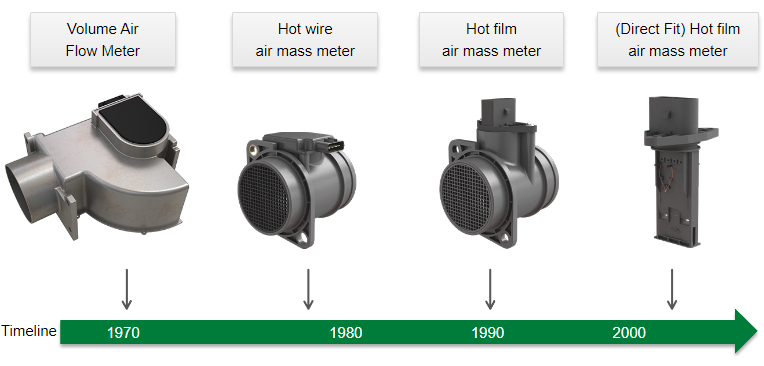
Was ist ein MAF-Sensor? ⚙️🌬️
Ein MAF-Sensor sitzt im Ansaugtrakt direkt hinter dem Luftfilter. Er nutzt ein beheiztes Element, um den Luftstrom zu erfassen, und wandelt ihn in ein Spannungs- oder Frequenzsignal für die ECU um. Viele moderne MAF-Sensoren enthalten zusätzlich den IAT-Sensor im selben Gehäuse.
- Typ: Hitzdraht/Heißfilm (am häufigsten), Frequenztyp (bei einigen Marken).
- Position: Zwischen Luftfilterkasten und Drosselklappe.
- Aufgabe: Präzise Kraftstoffzumessung, ruhiger Leerlauf, saubere Emissionen, korrekte Schaltvorgänge.
Häufige Symptome eines defekten oder verschmutzten MAF-Sensors 🧩🚨
- 🫨 Unruhiger Leerlauf oder Absterben: Besonders an Ampeln oder direkt nach dem Start.
- 🏁 Zögern, Leistungslöcher oder Ruckeln: Der Motor verschluckt sich beim Beschleunigen und zieht dann plötzlich nach.
- ⛽ Hoher Kraftstoffverbrauch: Häufigeres Tanken, Benzingeruch oder schwarzer Ruß am Auspuff.
- 🚦 Check Engine Light (CEL): Codes wie P0100–P0104 (MAF-Schaltkreis) oder Mager-/Fett-Codes P0171/P0174 (mager), P0172/P0175 (fett).
- 🐢 Wenig Leistung / Notlauf: Die ECU nutzt Ersatzwerte für die Kraftstoffzufuhr, das Auto wirkt zugeschnürt.
- 🌡️ Schlechter Kaltstart: Falsche IAT- oder Luftmassenwerte machen die Kaltlaufanreicherung instabil.
- 🔊 Pfeifen oder Rauschen im Ansaugbereich: Oft ein Unterdruckleck; dadurch wirken MAF-Werte „falsch“.
- ⚙️ Ungewöhnliche Schaltvorgänge bei Automatik: Falsche Lastwerte können harte oder späte Gangwechsel verursachen.
So erkennt man einen defekten MAF-Sensor (Technikerschritte 2026) 🔎📊
1) Schnelle Sichtprüfung
- 🧽 Luftfilter und Ansaugtrakt: Verschmutzte oder geölte Filter können den MAF verunreinigen. Stellen Sie sicher, dass die Ansaugrohre dicht sind – keine Risse hinter dem MAF.
- 🧰 Stecker und Pins: Auf Korrosion, lose Pins und abgebrochene Verriegelungen achten.
2) Grundlagen mit dem Diagnosegerät
- 📲 Fehlercodes auslesen: Achten Sie auf P0100–P0104, P0113 (IAT hoch), P0171/P0174 (mager) usw.
- 📈 Live-Daten – MAF g/s und Fuel Trims:
- Leerlauf (warm): Kleine Motoren etwa 2–7 g/s; größere Motoren oder Turbos etwas höher. Extreme Ausreißer deuten auf ein Problem hin.
- Kurzer Gasstoß/WOT: Der MAF-Wert sollte gleichmäßig ansteigen; plötzliche Aussetzer sind verdächtig.
- Fuel Trims (STFT/LTFT): Über +10–15 % Magerkorrektur weist oft auf zu niedrig gemessene Luftmasse hin (verschmutzter MAF oder Unterdruckleck). Unter −10–15 % spricht für ein zu fettes Gemisch.
3) Ähnliche Ursachen ausschließen
- 🫧 Unterdruck-/Ladedrucklecks: Nicht gemessene Luft hinter dem MAF treibt die Trims ins Positive (mager).
- 🧪 Plausibilität MAF vs. MAP: Bei manchen Fahrzeugen von 2026 gleicht die ECU MAF und MAP ab; defekte PCV, EGR oder Lecks können den MAF scheinbar verfälschen.
- 🧯 Abgaslecks vor O2: Können Trims verfälschen und einen „defekten MAF“ vortäuschen.
4) Erweiterte Tests (falls möglich)
- 🔌 Spannungs-/Frequenzausgang: Ein Hitzdraht-MAF liegt im Leerlauf oft bei etwa 0,8–1,2 V (je nach Hersteller) und steigt mit dem Luftstrom; beim Frequenztyp nimmt die Hz-Zahl mit dem Durchfluss zu.
- 🧲 Oszilloskop: Bei konstanter RPM auf ein gleichmäßiges Signal prüfen; Rauschen oder Aussetzer deuten auf einen Defekt hin.
So behebt man einen defekten oder verschmutzten MAF-Sensor 2026 🔧✅
- 🧼 MAF reinigen (wenn verschmutzt): Nur MAF-geeigneten Reiniger verwenden. Sensor ausbauen, Element einsprühen, Draht/Folie nicht berühren und vollständig an der Luft trocknen lassen. Keine Vergaser- oder Bremsenreiniger verwenden.
- 🧵 Ansauglecks beseitigen: Rissige Schläuche, lose Schellen, defekte PCV-Schläuche und undichte Luftfilterkastendichtungen ersetzen.
- 🪫 Stromversorgung/Masse prüfen: Beschädigte Kabel oder schlechte Masseverbindungen reparieren, die schwankende Werte verursachen.
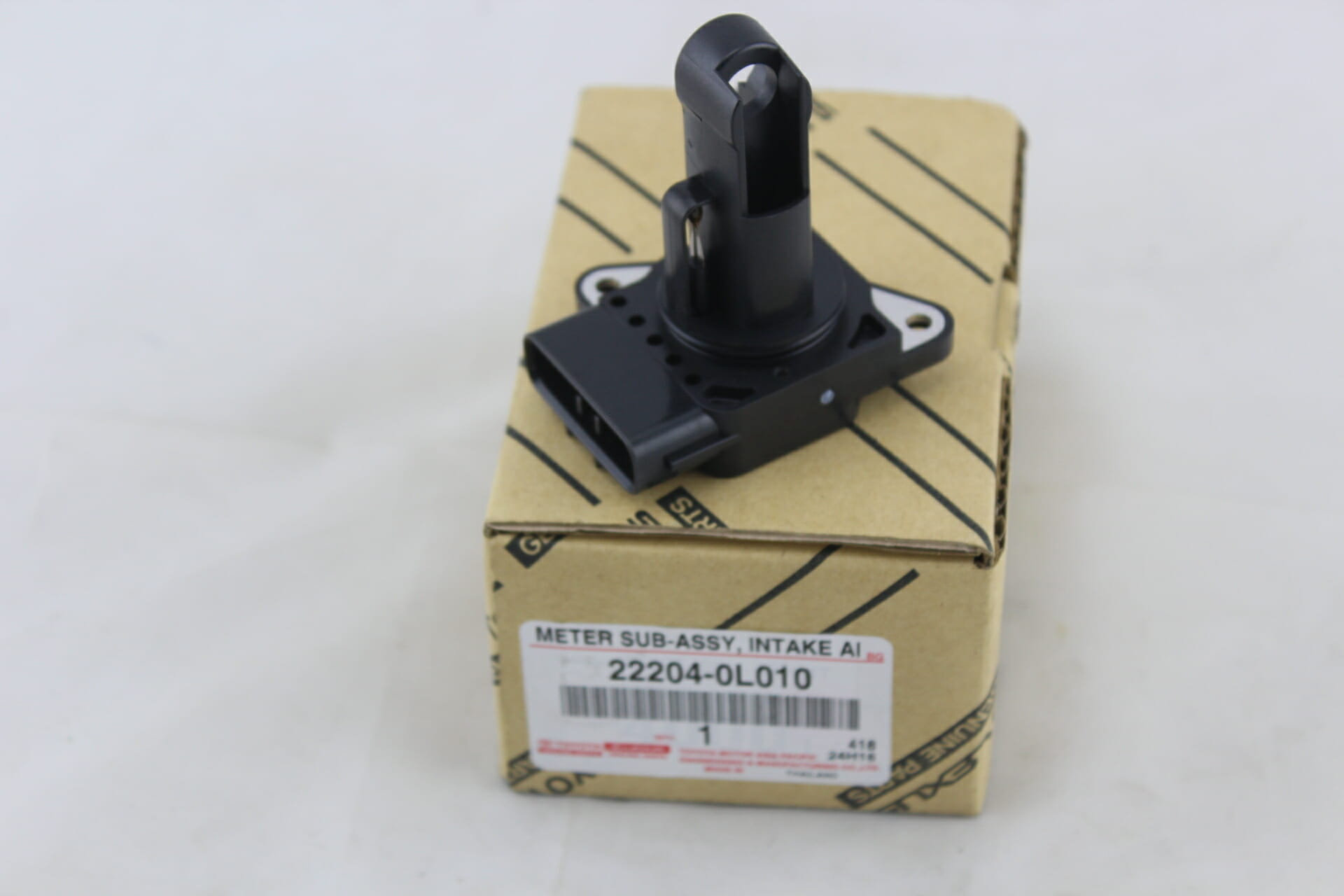
- 🆕 Sensor ersetzen: Wenn Reinigung und Kabelprüfung nichts bringen, einen hochwertigen OEM-gleichwertigen MAF einbauen. Billige Kopien messen oft zu niedrig oder zu hoch.
- 💻 ECU neu anlernen: Nach der Reparatur Fehlercodes löschen und ein Leerlauf-Anlernen bzw. eine kurze Fahrzyklus-Anpassung durchführen. Manche Modelle benötigen eine spezielle Anlernprozedur.
- 🪙 Filterstrategie verbessern: Zu stark geölte Filter vermeiden, da sie den MAF verunreinigen. Wenn möglich, Trockenfilter verwenden.
Tipps für eine längere MAF-Lebensdauer 🛡️🧰
- 🫧 Ansaugsystem luftdicht halten – keine Risse hinter dem MAF.
- 🧽 Luftfilter nach Wartungsplan ersetzen; Performance-Filter nicht überölen.
- 🧹 MAF bei großen Wartungen prüfen und reinigen, besonders bei staubigen Strecken.
- 🔋 Gute Batteriespannung sicherstellen; niedrige Systemspannung kann Sensorfehler auslösen.

FAQ: MAF-Sensorprobleme (2026) ❓
Kann ich mit einem defekten MAF-Sensor weiterfahren?
Für kurze Strecken vielleicht – doch der Motor kann zu mager oder zu fett laufen, den Katalysator beschädigen und in den Notlauf gehen. Reparieren Sie das Problem so bald wie möglich.
Behebt eine Reinigung des MAF das Problem immer?
Nein. Reinigen hilft, wenn das Messelement verschmutzt ist. Wenn die Sensorelektronik ausfällt, hilft nur der Austausch.
Warum habe ich Mager-Codes (P0171/P0174), aber keinen MAF-Code?
Der MAF kann durch Schmutz zu wenig anzeigen, oder es gibt ein Ansaugleck hinter dem MAF. Die ECU erkennt magere Trims und setzt Mager-Codes – prüfen Sie beides.
Nutzen 2026 alle Autos einen MAF?
Die meisten Benziner nutzen weiterhin einen MAF. Einige arbeiten MAP-basiert mit „Speed-Density“, andere verwenden beides. Die Diagnoseschritte sind ähnlich – Luftmesswerte gegen Trims prüfen.
Sollte ich die ECU nach dem MAF-Tausch zurücksetzen?
Ja. Fehlercodes löschen und ein Leerlauf-/Fahr-Anlernen durchführen, damit sich die ECU schnell an die korrekten Luftmassenwerte anpasst.
Kann ein MAF Schaltprobleme verursachen?
Ja. Falsche Lastwerte können bei vielen Automatikgetrieben Schaltzeitpunkt und Schaltfestigkeit beeinflussen.
Fazit 🧠🔩
Ein defekter oder verschmutzter MAF-Sensor verursacht unruhigen Leerlauf, Zögern, hohen Verbrauch und Warnleuchten. 2026 sind präzise Luftmassendaten für Turbo-GDI-Motoren und moderne Abgassysteme entscheidend. Prüfen Sie Trims und Live-Daten, beheben Sie Ansauglecks, reinigen oder ersetzen Sie den Sensor und führen Sie ein ECU-Anlernen durch. Richtig gemacht läuft Ihr Motor wieder ruhig und effizient.