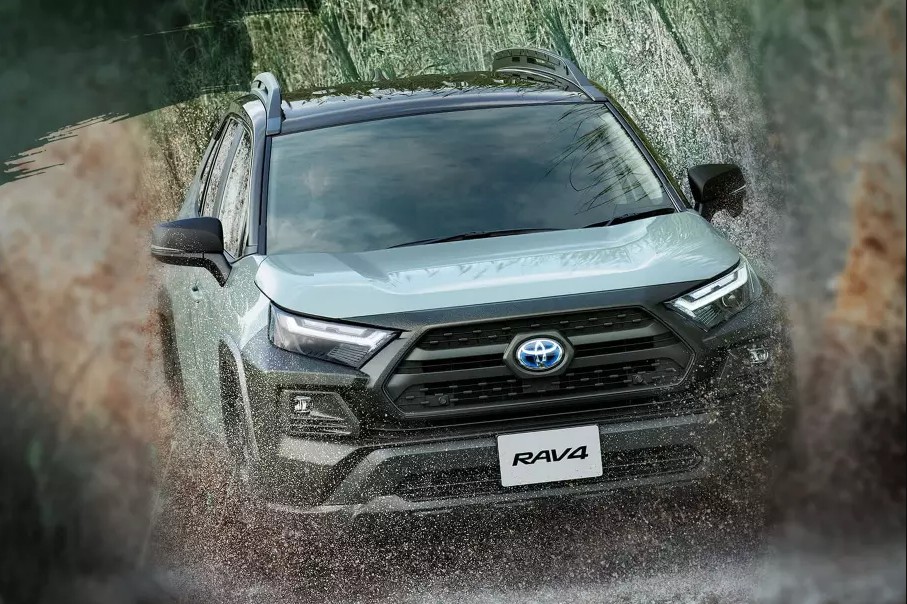
The Toyota RAV4 is one of the world’s best‑selling compact SUVs. Since its debut in the mid‑1990s, it helped invent the “soft‑roader” segment by blending car‑like comfort with SUV practicality. In 2019, the current generation (XA50) arrived with a stronger platform, better safety tech, and highly efficient hybrid options. By 2025, the RAV4 remains a top choice for families, commuters, and adventure seekers thanks to its reliability, fuel economy, and strong resale value.
Quick History & Main Characteristics 🧭
- Origins: Launched in the 1990s as a compact, unibody SUV; became a global bestseller.
- Platform: TNGA‑K platform (light, rigid, safe) for improved handling and ride comfort.
- AWD Options: Dynamic Torque Vectoring AWD (gas) and Electronic On‑Demand AWD (hybrid).
- Safety: Toyota Safety Sense suite standard on most trims, with features like pre‑collision braking, lane support, and adaptive cruise.
- Use case: Daily driving, light off‑road, snow trips, and family travel with flexible cargo room.
Main Specifications (Typical, Market May Vary) 📋
- Engine (Gas): 2.5L I‑4, 8‑speed auto, FWD/AWD.
- Hybrid: 2.5L + electric motors, e‑CVT, Electronic On‑Demand AWD.
- PHEV (Prime): Plug‑in hybrid, strong combined output, EV driving capability.
- Towing: Up to 3,500 lb (1,588 kg) when properly equipped (market and trim dependent).
- Cargo: Competitive space; split‑fold rear seats, flat floor.
- Safety: Toyota Safety Sense standard on most trims.
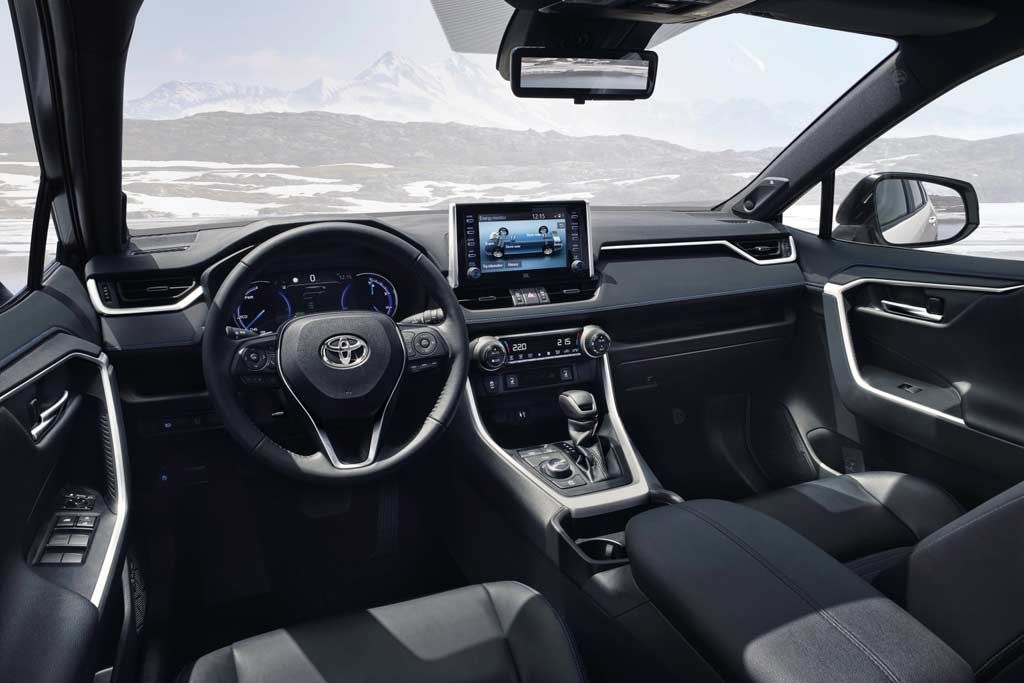
What’s Notable About the 2025 RAV4 🆕
- Refined Toyota Audio Multimedia system with available larger displays and wireless phone integration.
- Updated driver assistance; expanded camera coverage and traffic sign support on many trims.
- Enhanced noise insulation and trim‑specific suspension tuning for a calmer drive.
- Hybrid and PHEV still lead the class for efficiency and low running costs.
Fun fact (2025) 🎉: The name “RAV4” comes from “Recreational Active Vehicle with 4‑wheel drive.” In 2025, the Hybrid and plug‑in “Prime” trims make up a major share of buyer demand in many markets—often outselling gasoline‑only versions—showing how the RAV4 blends adventure styling with modern efficiency in a single best‑selling SUV. 🌿🚙
Top 5 Benefits of the Toyota RAV4 (2025) 🌟
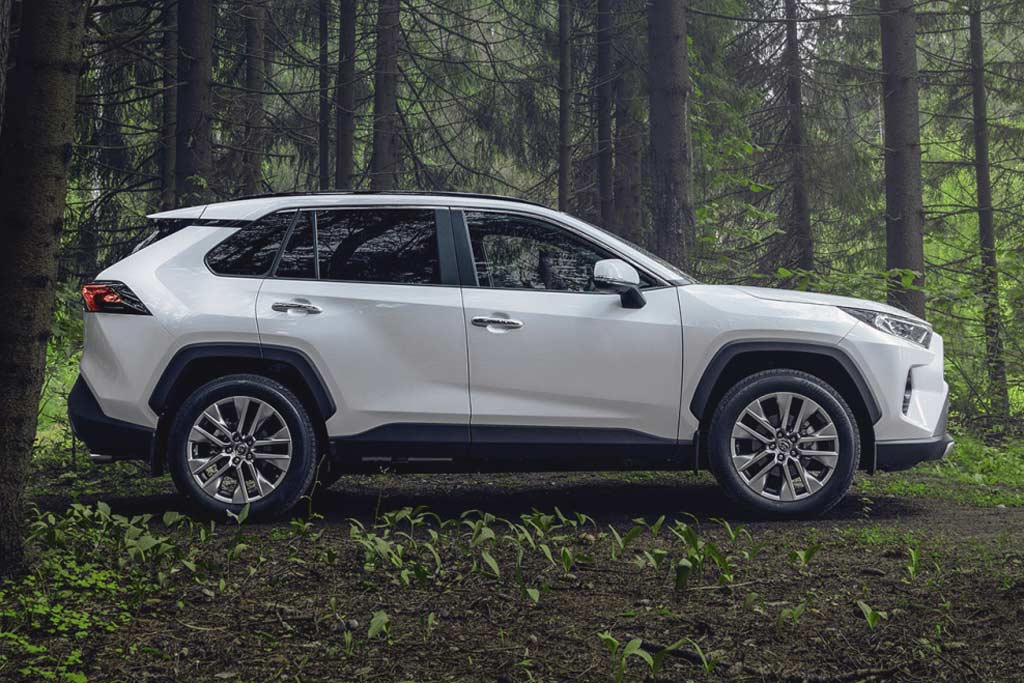
1) Excellent Fuel Economy (Especially Hybrid/PHEV) ⛽
Hybrid models deliver outstanding real‑world mpg for a non‑plug SUV, and the PHEV “Prime” can handle short trips in EV mode while still offering strong performance.
2) Strong Reliability and Resale Value 💪
Toyota’s track record for dependable powertrains and electronics makes the RAV4 a low‑drama daily driver. Resale values typically remain among the best in class.
3) Safety Tech That Works 🛡️
Toyota Safety Sense includes pre‑collision systems, lane tracing, adaptive cruise, and road sign assist. Many trims add blind spot monitoring and rear cross‑traffic alerts.
4) Practical Interior and Cargo Space 📦
Wide rear doors, easy child‑seat access, flat load floor, and generous cargo capacity make packing simple. The cabin layout is straightforward and durable.
5) AWD Confidence + Light Trail Ability 🏔️
With good ground clearance and clever AWD systems, the RAV4 handles rain, snow, gravel, and mild trails confidently (especially Adventure/TRD Off‑Road trims).
Top 5 Rav4 Problems (Reported/Observed) in 2025 ⚠️
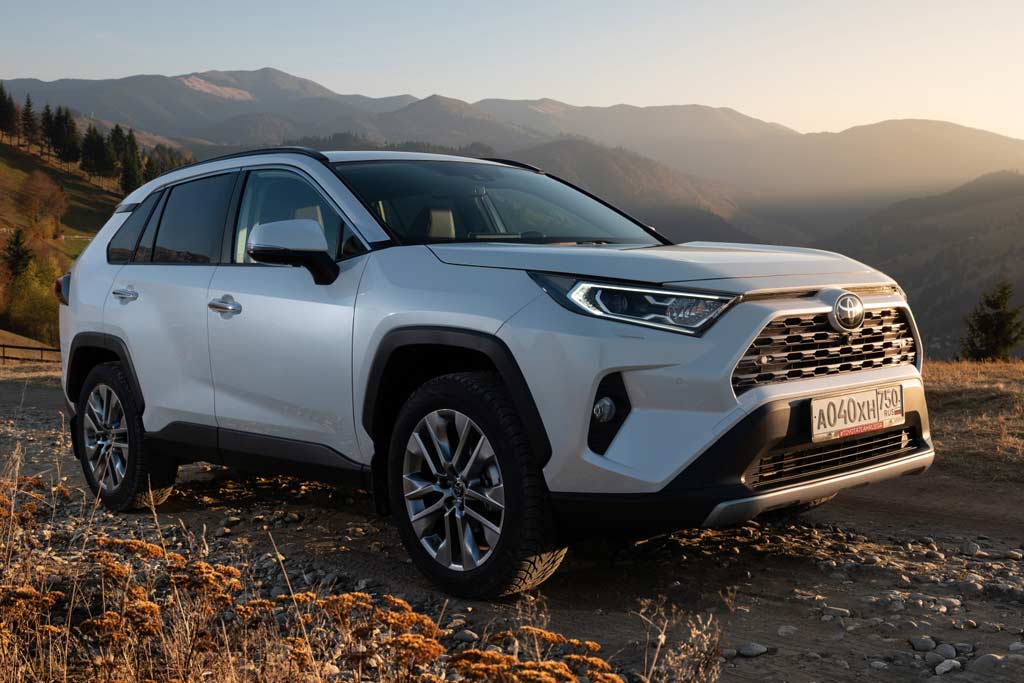
1) Road and Wind Noise on Certain Tires 🌬️
On coarse pavement or aggressive all‑terrain tires, some drivers report more cabin noise. Tire selection and rotation help; some owners add extra door/roof damping.
2) Infotainment Glitches (Wireless Connectivity) 📱
Occasional wireless CarPlay/Android Auto dropouts can occur. Keeping the head unit software and phone OS updated usually improves stability.
3) Firm Ride on Off‑Road‑Oriented Trims 🛞
Adventure/TRD Off‑Road can ride a bit firmer due to tires and suspension tuning. Great for trails, not always the quietest on rough highways.
4) Transmission Character (Gas 8‑Speed) ⚙️
Some earlier model years had complaints of low‑speed “gear hunting” or a firmer shift feel. Proper software updates and adaptive relearns generally help. Hybrids use e‑CVT and feel different.
5) Legacy Concerns on Early Gen (Used Buyers) 🔧
Early 2019–2020 Hybrids in some markets had a fuel‑tank refill quirk; most were addressed. When shopping used, verify recalls/TSBs and check for wheel‑bearing or alignment‑related tire wear.
Ownership Tips for 2025 🔧
- Follow the maintenance schedule (oil/filter, cabin/engine filters, brake fluid every 2–3 years).
- Rotate tires every 5–6k miles (8–10k km) to reduce noise and even wear—important for AWD.
- Keep software updated (infotainment/ADAS) for smoother tech performance.
- For towing or frequent mountain driving, service fluids on the “severe” schedule.
RAV4 Trims to Consider 🛒
- LE/XLE: Best value, strong efficiency, plenty of safety tech.
- Hybrid: The sweet spot for mpg and city commuting; smooth and quiet.
- Adventure/TRD Off‑Road: Added ground clearance, rugged styling, trail‑friendly setup (firmer ride).
- PHEV (Prime): Quick acceleration, EV commuting, higher price but lower fuel use.

FAQ: Toyota RAV4 in 2025 ❓
Is the 2025 Toyota RAV4 reliable?
Yes. The RAV4 is widely regarded as dependable. Stick to scheduled maintenance, use the correct fluids, and keep tire sets matched on AWD models.
Which RAV4 is best for fuel economy?
The Hybrid ranks best for overall economy. The PHEV “Prime” is excellent if you can charge at home or work and want EV miles plus strong performance.
How much can the RAV4 tow?
Depending on trim and market, up to 3,500 lb (1,588 kg) when properly equipped. Always check your exact vehicle’s rating and use the correct hitch/brake setup.
Does the RAV4 handle snow well?
Yes. With the right tires, AWD RAV4s are very capable in snow and slush. X‑Mode helps manage wheel spin on slick surfaces.
Are there common issues to look for on used RAV4s?
Verify all recalls/TSBs were completed. Listen for wheel‑bearing noise, check for even tire wear and proper alignment, and test infotainment connectivity.
Gas vs. Hybrid vs. PHEV—what should I pick?
Gas: lower entry price, simple. Hybrid: best daily mpg and smooth drive. PHEV: EV driving for short trips with strong acceleration, higher purchase cost.
Is the RAV4 comfortable for long trips?
Yes, especially on touring‑oriented trims and tire choices aimed at comfort. Road noise can vary by tire; choose quieter patterns if you do lots of highway miles.
Bottom Line 🧰
The 2025 Toyota RAV4 remains a standout compact SUV: safe, efficient, practical, and reliable. Know your priorities—fuel economy (Hybrid/PHEV), trail looks and capability (Adventure/TRD), or value (LE/XLE)—and you’ll get a well‑rounded daily driver with excellent long‑term ownership value. 🚗✨