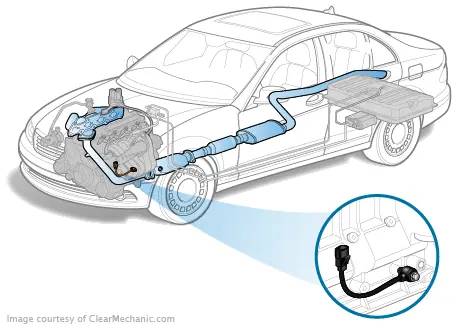
El sensor de detonación es un pequeño «micrófono» piezoeléctrico atornillado al bloque del motor. Su función es crucial: detectar la detonación en milisegundos para que la ECU pueda ajustar el avance del encendido y proteger pistones, aros y cojinetes. Un sensor de detonación en buen estado permite que el motor funcione cerca de su potencia y eficiencia óptimas. Uno defectuoso obliga a la ECU a usar un mapa seguro (menos potencia y peor MPG) o, peor aún, deja al motor «sordo» ante una detonación real. Esta guía explica síntomas, causas, diagnóstico, reparación y prevención en términos sencillos y actualizados para 2026.
Qué es la detonación y cómo funciona el sensor ⚙️🔊
La detonación es una combustión descontrolada que genera picos bruscos de presión. Puedes oírla como un golpeteo metálico al exigirle al motor. El sensor de detonación convierte esas vibraciones de alta frecuencia (normalmente 6–15 kHz) en una señal. La ECU filtra esa señal por cilindro y rango de RPM; cuando detecta detonación, retrasa el avance del encendido y puede enriquecer la mezcla hasta que desaparezca. La mayoría de los motores modernos usan de 1 a 4 sensores (según sean en línea o en V) y dependen de un par de apriete correcto y de una superficie limpia en el bloque para medir con precisión.
Síntomas de un sensor de detonación defectuoso 🔍
- 💡 Luz de Check Engine con códigos como P0324, P0325, P0327, P0328, P0330, P0332, P0333.
- 🐢 Pérdida de potencia, respuesta lenta del acelerador; el motor se siente pesado en subidas.
- ⛽ Mayor consumo de combustible frente a lo normal.
- 🔊 Cascabeleo o traqueteo bajo carga (peligro: puede ser detonación real, bajo octanaje o sobrecalentamiento).
- 📈 Rendimiento irregular en caliente frente a frío; tirones a velocidad constante.
- 🧪 El escáner muestra retraso excesivo por detonación o conteos anómalos de detonación en una bancada.
Causas comunes en motores de 2026 🧰
- 🔌 Fallos de cableado: mazo rozado, conector corroído, entrada de agua (valle de motores en V), mala masa.
- 🔩 Par de apriete incorrecto o arandela faltante: mal acoplamiento al bloque = señal débil o falsa.
- 🛢️ Bajo octanaje o combustible de mala calidad frente a lo exigido por el fabricante.
- 🔥 Sobrecalentamiento o mezcla pobre (fuga de vacío, error del MAF, baja presión de combustible) que provoca detonación real.
- 🧱 Depósitos de carbonilla abundantes que elevan la compresión efectiva y crean puntos calientes.
- 🧪 Reprogramación aftermarket agresiva (demasiado avance de encendido).
- 🧲 Soportes de motor/transmisión o traqueteos metálicos cerca del sensor pueden generar ruido que confunde la detección.
¿Es seguro conducir así? ⚠️
Los trayectos cortos con poca carga podrían no causar problemas, pero no se recomienda. Si la ECU no puede leer la detonación con precisión, una detonación real puede dañar pistones y cojinetes. Atiende pronto las luces de advertencia y el cascabeleo.
Diagnóstico paso a paso 🧪
1) Escaneo y referencia inicial
- Lee los DTCs: anota la bancada (Bank 1 frente a Bank 2), «entrada baja/alta del sensor» o «error del sistema de control de detonación».
- Registra el freeze frame: RPM, temperatura del refrigerante y carga. Revisa el avance de encendido y el retraso por detonación en datos en vivo.
2) Inspección visual y pruebas rápidas
- Inspecciona el mazo y el conector: ¿están empapados de aceite, quebradizos o con pines verdosos? Repara o sustituye según sea necesario.
- Verifica el par de apriete del sensor y que la superficie del bloque esté limpia, con metal desnudo bajo el sensor (sin pintura ni óxido).
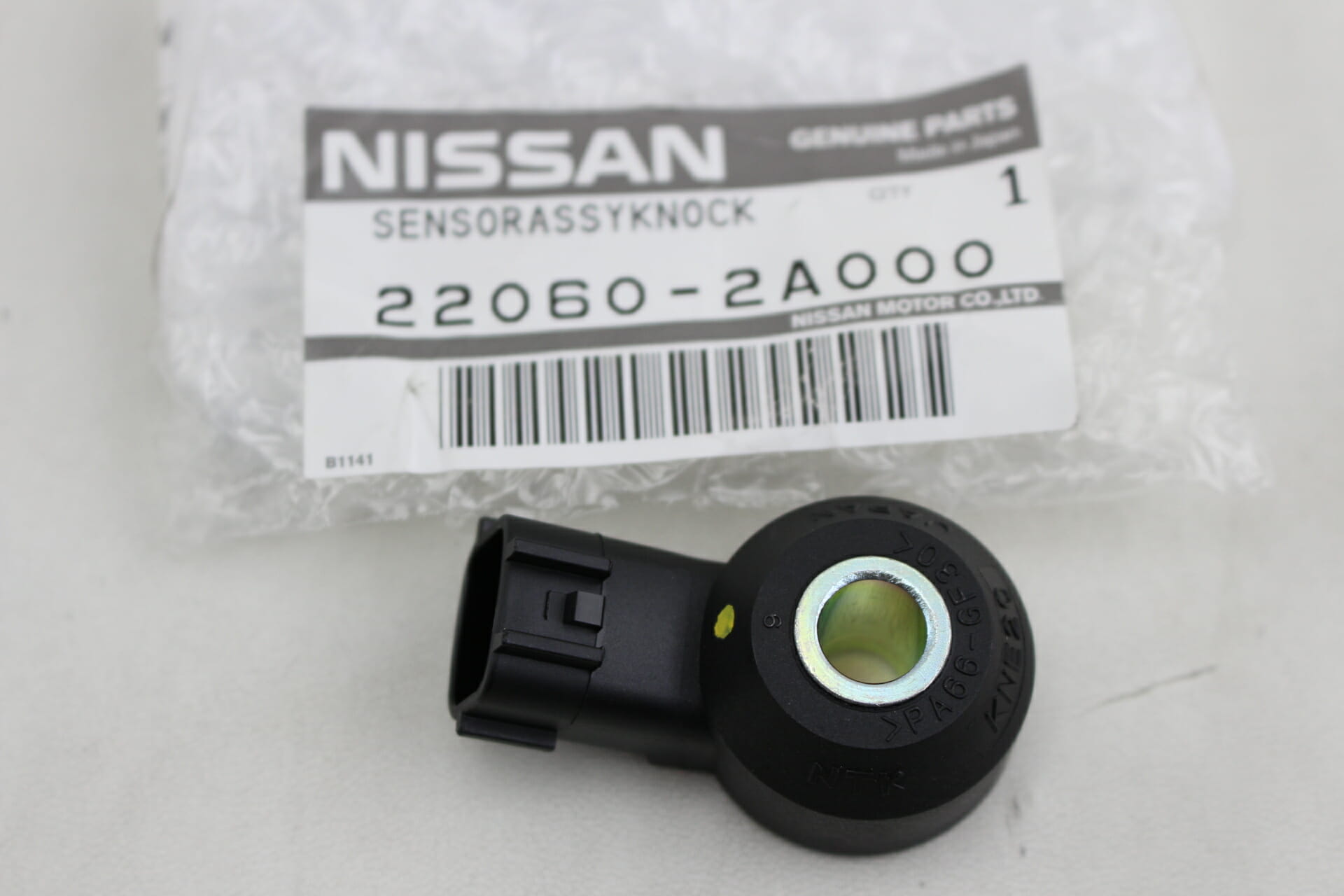
- Confirma el número de pieza correcto (resonante y wideband varían según la familia de motor).
3) Descarta una detonación real
- Usa el octanaje recomendado (prueba un tanque de mayor octanaje para comprobar).
- Busca fugas de vacío, contaminación del MAF, baja presión de combustible y problemas de refrigeración.
- Si el cascabeleo continúa con el combustible y las temperaturas correctas, puede hacer falta una limpieza de carbonilla.
4) Comprobaciones eléctricas
- Continuidad y resistencia según el manual de servicio; compara Bank 1 frente a Bank 2 en motores en V.
- Haz una prueba moviendo el mazo mientras observas en vivo los conteos de detonación o el voltaje del sensor en busca de picos.
5) Pruebas avanzadas
- «Prueba de golpecito» con osciloscopio cerca del sensor (no sobre él): un golpe suave en el bloque debería crear una señal proporcional. No golpees el sensor con fuerza.
- Si la señal es plana o ruidosa sin importar la carga, sospecha del sensor o del cableado.
Pasos de reparación 🔧🛠️
- Corrige las causas raíz: usa el octanaje correcto, restaura la refrigeración y repara problemas de vacío o combustible.
- Sustituye el sensor de detonación si está defectuoso. En muchos motores en V es necesario retirar el múltiple de admisión; si el acceso requiere mucha mano de obra, considera reemplazar ambos sensores y el submazo.
- Prepara la base de montaje: limpia hasta dejar metal desnudo, sin selladores. Instala cualquier arandela requerida. Aprieta al par especificado (consulta el manual; apretar de más o de menos distorsiona las lecturas).
- Coloca el mazo lejos de bordes afilados y colectores; sujétalo firmemente con clips.
- Borra los códigos y haz una prueba en carretera con carga moderada; monitorea el avance de encendido y el retraso por detonación. El motor ya no debería quitar demasiado avance.
Costos típicos en 2026 💵
- Sensor: $35–$180 cada uno (OEM frente a aftermarket, resonante frente a wideband).
- Mano de obra: 0,7–3,5 horas (los trabajos que requieren quitar la admisión tardan más).
- Mazo/submazo (si hace falta): $25–$120.
Prevención y consejos profesionales 🛡️
- ⛽ Usa siempre el octanaje recomendado, especialmente con calor o al remolcar.
- 🧽 Mantén limpios el MAF y el cuerpo de aceleración; repara pronto las fugas de vacío.
- 🌡️ Mantén en buen estado el sistema de refrigeración (termostato, ventiladores, radiador) para evitar detonación por calor acumulado.
- 🧱 Descarboniza periódicamente si tu familia de motor es propensa a ello (sigue los métodos OEM).
- 🧰 Usa piezas de calidad OEM y el par correcto; no pongas sellador entre el sensor y el bloque.
- 💻 Si el motor está reprogramado, asegúrate de que la calibración respete los umbrales de detonación; actualiza el software de la ECU si aplica un TSB.
Datos rápidos para SEO 🔎
- Códigos comunes: P0324–P0334 (sensor/circuito/rendimiento de detonación).
- Sensor de detonación defectuoso → baja potencia, peor MPG y posible daño del motor si hay detonación real.
- Comprobaciones clave: cableado, par de apriete, octanaje, refrigeración y acumulación de carbonilla.

Preguntas frecuentes ❓
¿Puedo conducir con un sensor de detonación defectuoso? 🚫
Puedes, pero es arriesgado. La ECU puede retrasar el encendido para proteger el motor, pero si se produce detonación real puedes dañar pistones y cojinetes. Repáralo pronto.
¿Un sensor de detonación defectuoso causa fallos de encendido? 🤔
Indirectamente. Un gran retraso del encendido puede sentirse como vacilación o funcionamiento áspero. Si tienes P0300–P030X, revisa también bujías, bobinas, inyectores, compresión y presión de combustible.
¿Necesito combustible premium después del reemplazo? ⛽
Usa el octanaje especificado por el fabricante. Para probar, un tanque de mayor octanaje puede ayudar a confirmar que la detonación se resolvió.
¿Con qué par debo apretar el sensor? 🔩
Sigue el manual de servicio. Muchos están en el rango de 15–25 N·m, pero varía. Un par incorrecto provoca lecturas falsas o ausencia de lectura.
Códigos Bank 1 y Bank 2: ¿qué lado es cada uno? 🧭
Bank 1 es el lado donde está el cilindro #1; Bank 2 es el otro lado. Revisa la disposición de tu motor en el manual de servicio para ubicar cada sensor.
Reemplacé el sensor y el código vuelve. ¿Qué sigue? 🔁
Vuelve a revisar el par de apriete, la arandela, la continuidad del cableado y los pines del conector. Descarta detonación real (octanaje, refrigeración, fugas de vacío). Actualiza el software de la ECU si existe un TSB.
¿Los accesorios ruidosos pueden causar falsa detonación? 🔊
Sí. Soportes flojos, contacto metálico o soportes rígidos pueden introducir ruido. Repara los traqueteos mecánicos cerca del sensor antes de culpar al sensor.
¿Necesitas piezas o ayuda? ✅
Envía tu VIN/código de motor y encontraremos el sensor de detonación, el submazo y la tornillería de instalación correctos. Conduce con fuerza y seguridad. 🔧📦